
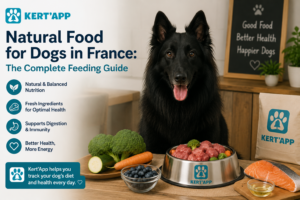
If you’ve been searching for the right food for dogs and keep landing on conflicting advice, you’re not alone. French dog owners are asking the same questions right now, is grain-free actually better, should rice be part of the daily bowl, and what does “natural” even mean on a bag of kibble? This guide cuts through the noise and lays out what’s actually backed by veterinary science, not marketing copy.
We’ll walk through sensitive stomach diets, large breed nutrition, rice, weight management, and the human foods that are safe (or dangerous) to share. No fluff, no guesswork , just what your dog’s body actually needs.
What Counts as “Natural” Dog Food?
“Natural” gets thrown around a lot on packaging, but it’s not a strictly regulated term the way “organic” is for human food. What actually matters more is whether the food is complete and balanced , meaning it meets your dog’s full nutritional requirements on its own, without needing extra supplements.
In Europe, that standard comes from FEDIAF, the European Pet Food Industry Federation. Its Nutritional Guidelines define the minimum and maximum nutrient levels , protein, fat, vitamins, minerals , that a food needs to legitimately call itself “complete” for a dog’s life stage. So before you get swayed by a pretty bag with “natural” stamped across it, check whether it actually meets a recognized nutritional standard. That’s the real marker of quality, not the buzzword.
Understanding Your Dog’s Nutritional Needs
Every dog needs a mix of protein, fat, carbohydrates, fiber, vitamins, and minerals , but the exact ratios shift depending on age, breed size, and activity level. A growing puppy needs a very different calcium-to-phosphorus balance than a senior dog winding down on exercise. This is exactly why FEDIAF’s Food for Dogs guidelines are broken into separate categories for growth, adult maintenance, and reproduction; one-size-fits-all feeding just doesn’t hold up nutritionally.
If you’re managing a multi-dog household or juggling different life stages, this is also where good habits pay off. Logging weight changes and feeding notes over time in a proper pet health tracker makes it far easier to catch a nutrition problem early, before it turns into a vet visit.
Best Dog Food for a Sensitive Stomach
This is one of the most searched topics for a reason , a huge number of dogs deal with digestive sensitivity at some point.
Signs Your Dog Has a Sensitive Stomach
Loose or inconsistent stools, excessive gas, and sudden pickiness about meals are the classic red flags. According to VCA Animal Hospitals, dietary indiscretion , eating spoiled food, garbage, or something they simply shouldn’t have , is one of the most common triggers behind sudden vomiting or stomach upset in dogs. If symptoms are occasional, it’s usually not a big deal. If they’re consistent, it’s worth digging deeper.
What Causes Digestive Sensitivity
A few usual suspects: switching foods too quickly, food allergies (often triggered by proteins like beef, dairy, or wheat gluten, per VCA), intestinal parasites, or an underlying condition like gastritis. Stress can play a role too , dogs are more sensitive to routine changes than people give them credit for.
What to Feed a Dog With a Sensitive Stomach
Vets generally recommend limited-ingredient diets with a single, easily digestible protein source, along with gradual food transitions rather than abrupt switches. If your dog’s stomach acts up regularly, it’s worth tracking exactly when flare-ups happen and what triggered them, a pet health tracker app is genuinely useful here, since patterns are much easier to spot on paper (or screen) than from memory.
Food for Large Dogs: What’s Different
Large and giant breeds, think Labradors, German Shepherds, Great Danes , don’t just eat more of the same food. Their bodies handle growth and joint stress differently, and their diet needs to reflect that.
VCA Animal Hospitals notes that large and giant breed dogs are at higher risk for joint problems, which is why quality large-breed formulas typically include glucosamine and omega-3 fatty acids (EPA and DHA) to support cartilage and reduce inflammation. Calcium and phosphorus levels also need to be carefully controlled during the growth phase , too much calcium too early can actually speed up bone growth in ways that stress developing joints rather than strengthen them.
Portion control matters just as much as ingredients. Large dogs are prone to obesity, and extra weight puts even more strain on joints that are already working hard to support a bigger frame. If you want a simple way to catch weight creep before it becomes a real problem, keeping tabs on your dog’s weight and health changes over time is one of the easiest habits to build.
Is Rice Good for Dogs? The Truth About Rice-Based Diets
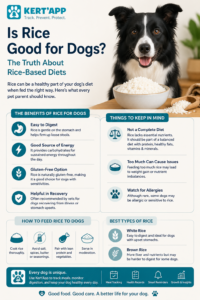
Rice shows up constantly in dog food searches, and for good reason , it’s one of the most common carbohydrate sources in commercial food and a go-to home remedy for upset stomachs.
Plain, fully cooked rice is safe for dogs. The American Kennel Club notes that white rice is often used as a carbohydrate source in bland diets after gastrointestinal upset, since it’s gentle on the digestive tract and helps bind loose stool. Brown rice offers more fiber and nutrients but is harder to digest, so it’s generally better suited to healthy dogs rather than ones actively dealing with diarrhea.
That said, rice isn’t meant to be a daily staple on its own. It has a relatively high glycemic index, which matters more for dogs that are overweight or diabetic. Think of rice as a helpful short-term tool for digestive recovery, not a long-term dietary base. If your dog needs a bland-diet period, it’s also a good moment to book a quick follow-up, a reliable vet appointment reminder system helps make sure that check-up doesn’t slip through the cracks once your dog seems “back to normal.”
Diet Food for Dogs: Managing Weight the Right Way
“Diet food” isn’t just marketing , it’s a legitimate category for dogs that need fewer calories without losing essential nutrients. This usually applies to less active dogs, senior dogs, or those already carrying extra weight.
The key is gradual, vet-guided change. Crash diets or sudden calorie cuts can backfire, sometimes triggering nutrient deficiencies or digestive upset. A proper weight-management food keeps protein levels adequate while trimming fat and calories, so your dog stays satisfied without piling on weight. Before switching, it’s worth confirming your dog’s current weight trend is actually heading the wrong way , tracking it consistently through a weight and health monitoring routine takes the guesswork out of the decision.
What Human Foods Can Dogs Eat (and What to Avoid)
Sharing food with your dog feels natural, but not everything on your plate belongs in their bowl.
Human Foods That Are Generally Safe (in Moderation)
Plain cooked chicken, carrots, green beans, blueberries, and plain cooked rice are commonly cited as safe options by veterinary nutrition sources. Eggs, cooked without seasoning, are another solid occasional addition. The key word throughout is moderation , even safe foods shouldn’t replace a balanced diet.
Foods That Are Toxic to Dogs
This list matters more than almost anything else in this guide. According to the ASPCA and the American Kennel Club, the most dangerous everyday foods include chocolate, grapes and raisins, onions and garlic, alcohol, xylitol (a sugar substitute), and macadamia nuts. Grapes and raisins in particular can cause sudden kidney failure even in small amounts, and onions damage red blood cells regardless of whether they’re raw, cooked, or powdered.
If your dog ever eats something on this list, contact your vet or an animal poison control line immediately , don’t wait to see if symptoms show up. And if an emergency vet visit does happen, it helps to already know what health information your insurer will actually ask for so the claims process doesn’t add extra stress on top of an already stressful day.
Reading a Dog Food Label Like a Pro
Ingredients are listed by weight, heaviest first , so if a named meat isn’t in the first two or three ingredients, that’s worth noticing. Look for a clear statement confirming the food meets FEDIAF (in Europe) or AAFCO (in the US) standards for your dog’s life stage; that’s your real proof of nutritional completeness, not the marketing language surrounding it.
Vague terms like “meat by-products” or “natural flavor” aren’t automatically bad, but they do make it harder to know exactly what you’re feeding. If you’re ever unsure how a specific formula stacks up for your dog’s situation, it’s worth a conversation with your vet’s clinic directly. Many clinics that use structured veterinary practice management systems can pull up your dog’s full history in seconds, which makes nutrition conversations a lot more precise.
Finding Natural Dog Food in France
Quality natural and complete dog food is widely available across France , through veterinary clinics, dedicated pet stores, and increasingly through online retailers that ship nationwide. When searching “dog food near me,” prioritize retailers or clinics that can explain exactly why a formula suits your dog’s breed, age, and health status, rather than just pointing you to the best-seller shelf.
Look for FEDIAF compliance on the packaging, and don’t be shy about asking your vet directly which brands they’d actually put their own dog on. If you want more feeding and pet-care guidance beyond this article, our full library of pet care guides covers everything from health tracking to grooming and beyond.
Transitioning Your Dog to a New Diet Safely
Switching foods too fast is one of the most common (and avoidable) causes of stomach upset. The standard approach is a gradual mix over seven to ten days: start with about 25% new food and 75% old, and shift the ratio a little each day until the new food takes over completely.
Watch closely for loose stool, gas, or appetite changes during the transition , those are signs to slow the process down rather than push through it. If someone else is feeding your dog during this period, like a sitter while you travel, it’s worth confirming they understand the transition plan clearly; knowing what to ask a pet sitter reference beforehand helps make sure your dog’s diet stays consistent even when you’re not the one holding the bowl.
FAQs
What’s the best dog food for a sensitive stomach?
A limited-ingredient formula with a single digestible protein source, introduced gradually rather than swapped overnight, tends to work best. Persistent symptoms should always go through a vet first.
What human foods can dogs eat safely?
Plain cooked chicken, carrots, green beans, blueberries, eggs, and plain rice are generally safe in small amounts. Chocolate, grapes, onions, garlic, alcohol, and xylitol are not , ever.
Is rice good for dogs every day?
Occasionally, yes , especially white rice during digestive upset. As a daily staple, it’s better used as part of a balanced commercial diet rather than a homemade one, since it lacks several nutrients dogs need long-term.
How do I choose food for a large dog?
Look for controlled calcium and phosphorus levels, added glucosamine and omega-3s for joint support, and portion guidance that matches your dog’s actual activity level, not just their size.
Is diet food necessary for a healthy-weight dog?
No , diet formulas are meant for dogs that are overweight, aging, or less active. A healthy, active dog usually does better on a standard complete and balanced formula.
Final Thoughts
“Natural” is a nice word on a bag, but it’s not the thing that actually keeps your dog healthy. What matters is whether the food is complete, balanced, and genuinely suited to your dog’s age, size, and health history. Sensitive stomachs need gentler, more digestible ingredients. Large breeds need joint support and controlled growth. Rice has its place, but it’s a tool, not a foundation. And human foods can go either way , some are perfectly fine, others are genuinely dangerous.
When in doubt, loop in your vet, read the label properly, and keep an eye on how your dog’s body responds over time. A simple pet health tracker makes that last part far easier than trying to remember it all yourself.
Sources
- FEDIAF (European Pet Food Industry Federation) , Nutritional Guidelines for Complete and Complementary Pet Food for Cats and Dogs, 2025 edition: europeanpetfood.org
- American Kennel Club , Can Dogs Eat Rice?: akc.org
- ASPCA , People Foods to Avoid Feeding Your Pets: aspca.org
- VCA Animal Hospitals , Nutritional Considerations for Large and Giant Breed Dogs: vcahospitals.com
- VCA Animal Hospitals , Food Allergies in Dogs: vcahospitals.com
- PetMD , Best Large Breed Dog Food, Vet Reviewed: petmd.com