
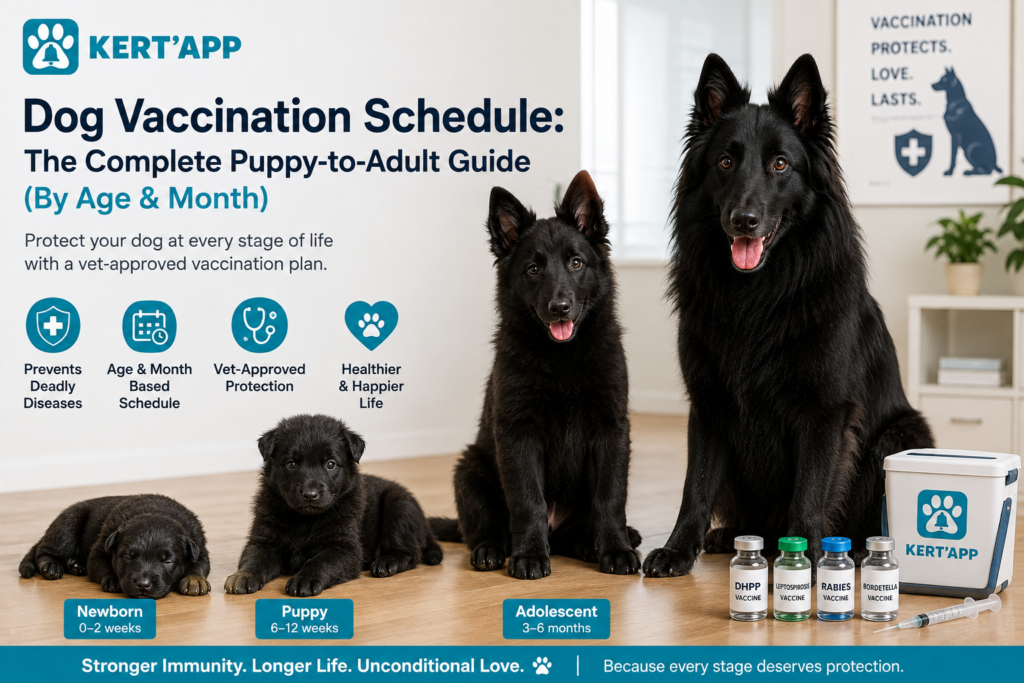
You’ve just typed in “dog vaccination schedule” into Google at 11 p.m. not knowing if it’s this week or next when your puppy’s second shot is due for, and you’re not the only one. Like half the internet’s dog owners, many of them are on the same path when it comes to this question, when it comes to r/dogs or r/DogAdvice.
The happy news is: A dog’s vaccination timeline isn’t really tricky to understand when it’s presented correctly. It just becomes confusing because vets use acronyms (DHPP? what?), boosters are more often in older dogs and rabies is different in different regions. This guide demystifies all these puppy shots, adult boosters, rabies timing, what to do after a bite, and how to get over the memory problem!
Why is the Dog Vaccination Schedule so Important?
Vaccines help your dog’s immune system to prepare for a disease before it actually occurs. Puppies do not receive complete or long-lasting immunity from the antibodies in their mother’s blood; they must still receive several vaccinations after the antibodies disappear to develop immunity.
Taking only half the dose or missing doses is not something to take lightly. For example, parvovirus is a severe gastrointestinal disease that affects young pups more than any other age group and is easily transmitted via contaminated soil, footwear and dogs. Canine hepatitis is equally a life-threatening condition, as is distemper. And then there’s rabies, which is basically always fatal once symptoms occur, and which is the one that can transmit to humans, which is why it is treated differently than all of the other vaccines on this list.
There is also a simple financial rationale as well. Core vaccines are much less expensive than a trip to the veterinary hospital for a dog that has contracted parvo. The cost of prevention is less expensive, less stressful and, come to think of it, much less heart-wrenching.
Core vs Non-Core Dog Vaccines, Simplified
It’s important to know what’s scheduled before you can follow a dog vaccination schedule. The American Animal Hospital Association (AAHA) classifies canine vaccines into two categories.
Core Vaccines
Unless there is a medical reason not to, these are advised on all dogs, irrespective of their lifestyle. The core group is usually comprised of:
A serious and sometimes deadly viral illness.
Adenovirus (hepatitis) , affects the liver
A serious gastrointestinal virus – parvovirus is particularly fatal in puppies.
Rabies is required in most areas and is always fatal when symptoms appear, a rabies vaccination is legally required in most areas.
These are typically combined into a single type of vaccine called DHPP (sometimes DAPP depending on the manufacturer) Distemper, Hepatitis, Parainfluenza and Parvovirus.
Non-Core (Lifestyle) Vaccines
These are based on your dog’s environment, amount of contact with other dogs and what your dog is exposed to. These include some of the most prevalent diseases such as Bordetella (kennel cough), leptospirosis, canine influenza and Lyme disease. These are based on your dog’s specific routine and not a one size fits all approach.
Dogs Vaccination Schedule (Month by Month) for Pup Fishes
That is where most new owners falter and here is the dog vaccination schedule for puppies by age. It’s similar to the approach adopted by AAHA and most veterinary clinics, but may be tailored slightly by your veterinarian depending on your puppy’s health and susceptibility to diseases in your area.
| Age | What Typically Happens |
| 6–8 weeks | First DHPP dose |
| 10–12 weeks | Second DHPP dose; leptospirosis or Lyme may start here if recommended |
| 14–16 weeks | Third DHPP dose; first rabies shot; Bordetella if needed |
| 12 months | First adult booster round (DHPP, rabies, plus any lifestyle vaccines) |
First Adult Booster round (DHPP, rabies and any lifestyle vaccines)
Why are there multiple doses and not one? Maternal antibodies that are carried over from birth can actually interfere with a vaccine’s effectiveness and no one knows when this protection ends in an individual puppy. You can give the series every 2-4 weeks, filling the gap so your puppy is never left without protection.
Dog Shot Schedule for Adult Dogs (Injection Frequency)
After your dog has completed the puppy series, the dog injection schedule slows down considerably, which is to be expected and a relief for everyone.
DHPP: Usually raised one year after puppy series and approximately every three years thereafter for most adult dogs.
Rabies: 1st booster at 1 year; booster every 1-3 years as indicated on vaccine label/required by local laws
Lifestyle vaccines – usually these are only given once a year as protection is shorter-lived than core vaccines (Bordetella, leptospirosis, canine influenza, Lyme).
Where a dog has been adopted as an adult dog with an unknown vaccination history, most veterinarians treat it as if it’s an unvaccinated puppy and begins a modified vaccination schedule to err on the side of caution.
Rabies Vaccination Schedule for dogs:
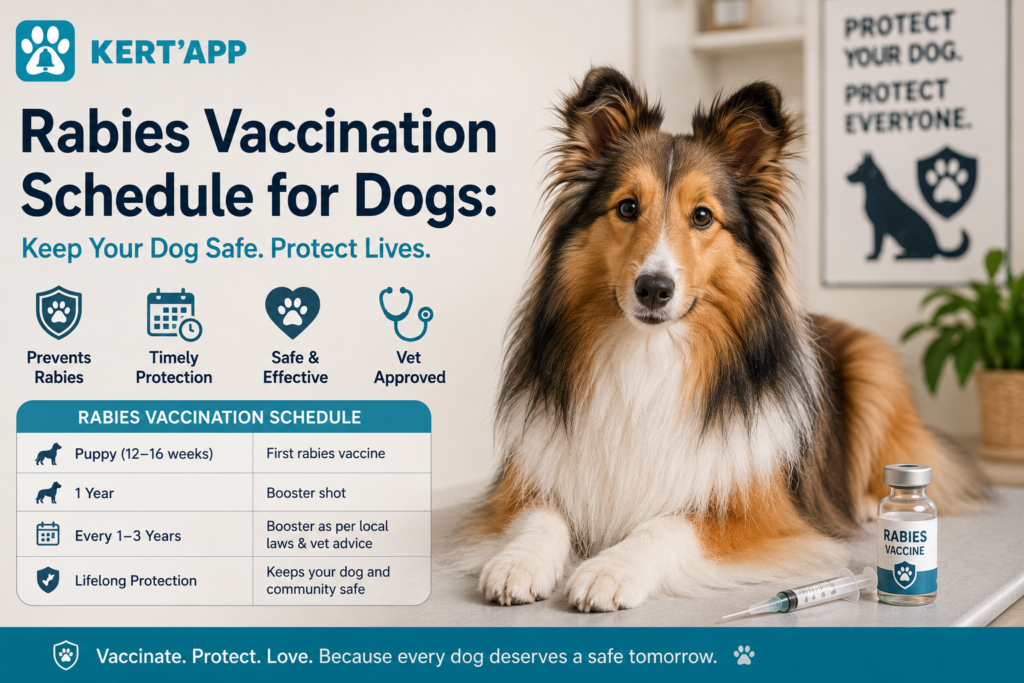
Rabies is unique and deserves its own category, and that’s because it is treated differently than all other vaccines – not for anything else.
The first rabies shot is usually given between 12 and 16 weeks of age. The first dose is only considered valid for 1 year, even if the label on the vaccine indicates a longer time period. It depends on the vaccine and the requirements of your local jurisdiction, but the longer interval of 1 to 3 years is only available with the booster dose administered at 1 year.
Unlike DHPP, rabies vaccination is not considered elective in most regions of the world, it is considered compulsory and is directly related to public health because rabies can be transmitted from dog to man through a bite. There are exceptions, however, as we’ll see shortly for some areas.
Dog Bite Vaccination Schedule
This is an additional question, and it’s one that is likely to cause a panic search – I can’t fault people for wanting to find out more about this if that’s something they’re interested in.
If your dog bites someone:
It’s not the question of “which shot does my dog need next. The U.S. Centers for Disease Control and Prevention (CDC) recommends that a healthy dog that bites a person be confined and monitored for 10 days, not vaccinated during this period, because vaccination during this time could mask or mimic its symptoms. It’s not a Do It Yourself job but a call to action for your vet and local animal control, which is typically involved when local health authorities are involved.
When a dog is bitten by another animal:
When your dog gets attacked by a wild animal or an unfamiliar dog, take your dog to your veterinarian promptly. They will determine whether your dog is up-to-date on rabies vaccinations and may suggest a booster sooner than later if necessary, just in case.
In either case, a dog bite incident is one to call your Vet about, not wait and see about.
Lab Dog Vaccination Schedule , Is It Really Different?
If you do a web search, you will find people asking about the schedule for vaccinating a puppy Lab Dog; no, it isn’t. Labrador Retrievers have the same basic puppy series and adult booster schedule as all other breeds. Unlike some medicines, vaccines are not dosed based on the dog’s weight (this is acceptable for Chihuahuas and Great Danes to receive the same dose).
Breed is one tiny factor where it does make a difference in lifestyle. They are active, water-loving, social dogs and end up getting exposed to many things in their real world, such as leptospirosis (standing water) and kennel cough, which often occurs at dog parks, lakes and boarding kennels. So, a Lab’s veterinarian may be more inclined to give them the non-core vaccines he or she recommends, compared with a dog that spends most of its time on the couch.
Combined dog vaccination and deworming schedule.
It’s not just by chance that you’ll see your veterinarian do the same when you bring your pet in for their shots and deworming. Intestinal parasites are very common in puppies and are often treated first when very young (usually at 2-3 weeks of age) before their first vaccinations. They are usually dewormed every other week during the vaccine series and then monthly or according to the veterinarian’s advice in addition to regular parasite control.
The two visits are not only convenient, but so is the elimination of a separate appointment because of them, especially for the busy puppy schedule. However, if you’re interested in learning more about parasite protection beyond puppyhood, there’s more to the flea, tick and heartworm prevention story than deworming – so check out the year-round flea, tick and heartworm prevention for dogs.
The following is a suggested vaccination timetable for puppies in Ireland (and elsewhere in the world where rabies has not been found).
There is one important difference to be aware of if you’re vaccinating a puppy in Ireland. The Irish Blue Cross says that there is no legal requirement for rabies vaccination in Ireland because the island is rabies free, but it becomes a must if you are travelling with your dog outside of Ireland as rabies is a legal requirement for travel outside Ireland.
Core vaccines (distemper, hepatitis, parvovirus and parainfluenza) continue to be given as a puppy series and then an annual or triennial booster. Although it is not a legal requirement, kennels and day care centres generally require kennel cough vaccination. The general trend in the UK is also very similar. The advice: always get the official schedule for your country, and do not rely on a schedule that you read online – including this one – that might not be exactly as applicable to your area.
How to EASILY Maintain Your Dog’s Immunization Records
The thing that gets the better of even the most responsible pet owners: knowing the schedule and actually sticking to it. Works for as long as it does until someone does the dishes and the sticky note ends up in the waiting room at a veterinarian’s office and you can’t remember if it was the last or this year’s rabies shot.
There are a few reasonable alternatives:
The vaccine card you receive at your veterinarian’s office, which is a good record, but can be misplaced and has no reminders of when vaccines are due.
Your own recall system is helpful but is limited to vaccines administered at this clinic, which is a limitation if you’ve changed veterinary clinics or used a mobile clinic.
This is where most pet owners end up when looking for a pet health app, because a good pet health tracker app has all the information about vaccines, boosters and vet visits in a place you use every day – your phone.
Setting up reminder systems for booster and appointment reminders is a true no-brainer if you’re like everyone else that has accidentally forgotten a booster before (no judgment here, it happens to almost everyone at least once). Also check out how this simple pet healthcare reminder system is useful, especially in multi-pet households, where the more pets you have, the more it becomes difficult to keep all schedules straight in your head.
There’s also a practical benefit here: if you need to make a claim on your pet insurance, you’ll keep things much simpler if you have detailed and well-organized health records, as insurers will usually require health and vaccination history. Having a vaccination record and also a daily routine of observing your dog’s weight and overall health condition provides you and your veterinarian with a more comprehensive history than just a list of dates at each appointment.
Key Takeaways
Do not give puppies one single vaccine series at 6-8 weeks of age. Puppies should receive a series of core vaccine doses about every 2-4 weeks, between 6 and 16 weeks of age.
Adult dogs should receive DHPP boosters every 3 years, rabies boosters every 1-3 years and lifestyle vaccines annually if required.
One year booster is the key to extending the interval in the first rabies shot, irrespective of the label.
The first thing is to reach your vet and health authority after a dog bite; it is not a time to vaccinate.
For labs, vaccination timelines are the same as for all breeds with the exception of additional vaccinations, which are suggested by lifestyle and not breed.
Rabies requirements differ from country to country, for instance, the State of Ireland does not require rabies unless you are travelling abroad with your dog.
Memory fails you all the time, but a dedicated tracking system (app, reminders or a well-kept record) does not.
Frequently Asked Questions
What should be the correct immunisation plan for a dog?
A puppy’s DHPP series is given at approximately 6-8 weeks, 10-12 weeks and 14-16 weeks, followed by a first rabies vaccine at 12-16 weeks. Adult dogs are then given DHPP boosters every 3 years and rabies boosters every 1 to 3 years and any lifestyle vaccines are given once a year.
How many months are needed for a puppy to be vaccinated?
In simple months: approximately month 1.5 – 2 (first DHPP); approximately month 2.5 – 3 (second DHPP); approximately month 3.5 – 4 (third DHPP plus first rabies); then booster round at approximately month 12.
When does a dog need a rabies vaccine?
The initial shot is good for one year. Most vaccines can be given 1–3 years apart following the one-year booster, depending on the vaccine type and your local laws.
What follows the dog bite in terms of vaccination?
If a healthy dog bites a person, the dog is not immediately vaccinated but is rather confined and observed for 10 days as per public health guidelines, as vaccination during this period may create a confusion. Call your veterinarian and animal control and follow their instructions.
Does a dog’s vaccination program differ from that of other breeds?
No, the basic breed schedule is the same for all breeds. The difference is in the type of non-core vaccines that are recommended, which depends on the specific dog and his or her social and active lifestyle.
Is it possible to vaccinate and deworm on the same day?
Yes, and it’s the norm. Vet’s often do deworming at the same time they give the puppy vaccines, and many puppies begin deworming before they ever receive their first vaccine.
Are dogs required to have rabies vaccinations in Ireland?
Not legally as Ireland is rabies free, but if you wish to take your dog away from Ireland you must do so.
How can I keep an eye on my dog’s vaccinations?
A paper or electronic record from your veterinarian, along with a reminder system, such as an app or calendar alert, is best, as it can provide you with the alert when you change vets or use several clinics.
Conclusion
Staying on top of a dog’s vaccination schedule really comes down to two things: knowing the timeline, and having a system that doesn’t depend on memory alone. The puppy series is the demanding part, three or four visits packed into about ten weeks , but once that’s behind you, adult boosters only need attention every one to three years depending on the vaccine. Rabies rules and regional requirements are the one area worth double-checking locally, since they genuinely vary by country and even by state. Beyond that, the biggest risk isn’t a lack of information; it’s a booster date that slips by unnoticed. A record you actually check solves that.
Track It With KertApp – No More Guessing
KertApp was built by breeders and developers specifically to solve this exact problem: one place for vaccination records, deworming, weight tracking, and appointment reminders, instead of five different systems that don’t talk to each other. Reminders go out automatically, so a booster date doesn’t quietly slide past while life gets busy.
- On Android: download KertApp from the Google Play Store
- On iPhone/iPad: download KertApp from the Apple App Store
- On Windows or Mac: KertApp doesn’t currently have a separate desktop installer, open the KertApp Web App in your browser to log in and manage your pet’s records directly from a PC or Mac.
There’s a free plan to start with one pet, and paid tiers for multi-pet households or professional use. See the full feature breakdown and pricing.