
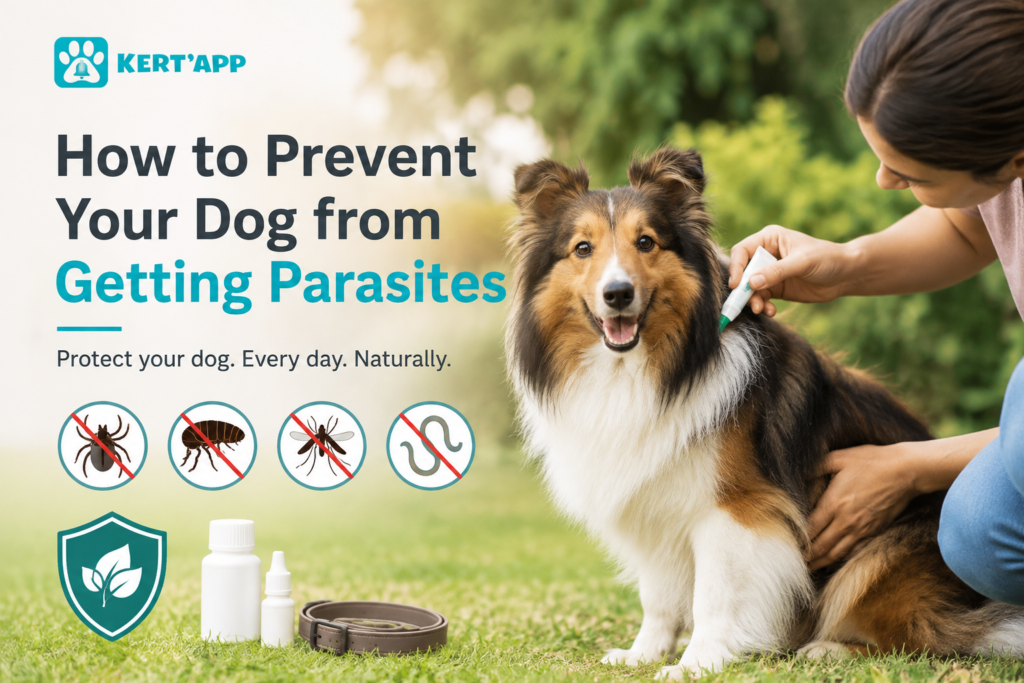
The most effective way for dog parasite preventions is year-round prescription flea, tick, and heartworm prevention, backed by an annual vet visit, a heartworm test, and a fecal exam for intestinal worms. Done consistently, this routine runs $200–$400 a year a fraction of the $600–$3,000+ it costs to treat an actual infestation or infection once it takes hold.
This guide breaks down the parasites that matter, the prevention options worth paying for, what they cost, and how to build a routine you’ll actually stick to. If you’re tracking your dog’s health more broadly weight, medication schedules, vet visits a pet health tracking tool makes it a lot easier to stay on top of all of this in one place.
The Parasites Worth Worrying About
Heartworms are the most dangerous of the bunch. Dogs get them only from mosquito bites not from other dogs, not from water which means even a strictly indoor dog is at risk if a single mosquito gets inside. Once the larvae mature into adults (around 6-7 months), prevention medication can no longer touch them, so timing matters. Left untreated, heartworms damage the heart and lungs permanently and can be fatal.
Fleas do more than cause itching. They trigger allergic skin reactions in some dogs, and because a female flea lays up to 50 eggs daily, one missed dose of prevention can turn into a full infestation within three weeks. Fleas also carry tapeworm eggs, so flea control does double duty against two parasites at once.
Ticks transmit Lyme disease, Ehrlichiosis, Anaplasmosis, and Rocky Mountain spotted fever none of them minor. They attach fast, even on a short walk through grass, and how you remove them matters: squeezing or crushing a tick can push infected fluid straight into your dog’s bloodstream.
Intestinal parasites roundworms, hookworms, tapeworms, whipworms, and giardia live out of sight in the gut. Dogs pick them up from contaminated soil, water, feces, or infected prey. Symptoms are often subtle or absent early on, which is exactly why annual fecal testing matters even for dogs that seem fine.
Prescription Prevention: What Actually Works
Natural remedies get asked about a lot, but the honest answer is that none of them hold up. Apple cider vinegar doesn’t kill parasites. Essential oils can be toxic in concentrated form. Garlic is genuinely dangerous to dogs in the doses that would be needed to have any effect. Diatomaceous earth might help in your yard but shouldn’t touch your dog’s skin or lungs directly. If you want real protection, it comes from prescription medication.
Oral chewables (NexGard, Simparica, Credelio) work systemically; a flea or tick has to bite your dog to be killed, so these don’t repel, they eliminate. Most dogs treat them like a treat, and they run $10–$20 a month. Combination versions like Simparica Trio or Credelio Quattro cover fleas, ticks, heartworms, and intestinal parasites in one monthly dose, which cuts down on how many things you have to remember.
Topical treatments (Advantage Multi, Revolution Plus, Seresto collars) go on the skin between the shoulder blades, out of reach of your dog’s tongue. They’re the better choice for picky eaters or sensitive stomachs, cost $15–$25 monthly, and Seresto collars in particular last up to eight months per application with fewer doses to track.
Injectable heartworm prevention (ProHeart 6 or ProHeart 12) is given at the vet’s office and covers 6 or 12 months in a single shot, at $40–$75 per injection. If you know you’re bad at remembering monthly doses, this removes that risk entirely which matters, because with heartworms, a missed dose during the wrong window can mean an actual infection, not just temporary exposure like with fleas.
Before starting any heartworm preventive, your dog needs a negative antigen test ($35–$75) giving prevention to a dog that already has adult heartworms won’t treat the existing infection, it’ll just stop new ones. Annual retesting is worth doing even on dogs with perfect dosing records, since it catches the rare case that slips through.
What It Actually Costs And Why That Math Matters
Full-year prevention (heartworm, flea, tick, and intestinal coverage) typically runs $200–$400 once you add in an annual vet visit and heartworm test. Treating an actual heartworm infection, by comparison, costs $600–$3,000+, factoring in chest X-rays, an echocardiogram, pre-treatment antibiotics, and multiple rounds of melarsomine injections to kill the adult worms. One rescue dog’s treatment came to $1,800 even with reduced rescue pricing; a more severe case ran $2,500.
Put simply: a year of treatment costs what six to ten years of prevention would. And treatment isn’t just expensive, it’s hard on the dog. Melarsomine can cause serious side effects, activity has to be severely restricted for weeks or months during recovery, and even a “successful” treatment can leave permanent heart or lung damage behind. Prevention sidesteps all of that.
Choosing the Right Option for Your Dog
There’s no single “best” product, only the best fit for your dog’s situation. Three things decide it:
Lifestyle: a dog that hikes through wooded trails or swims in lakes faces different exposure than one that mostly stays in a fenced yard.
Geography heartworm and tick prevalence vary a lot by region; your vet can tell you what’s actually common where you live.
Your own habits if you’re forgetful about monthly doses, a longer-acting topical or an injectable removes that risk. If you have multiple pets, a combination product simplifies things across the board.
Bring this information to your vet rather than guessing. It’s also worth discussing during a routine visit and if remembering to book that visit is the hard part, a reminder system for vet appointments removes a lot of the friction there.
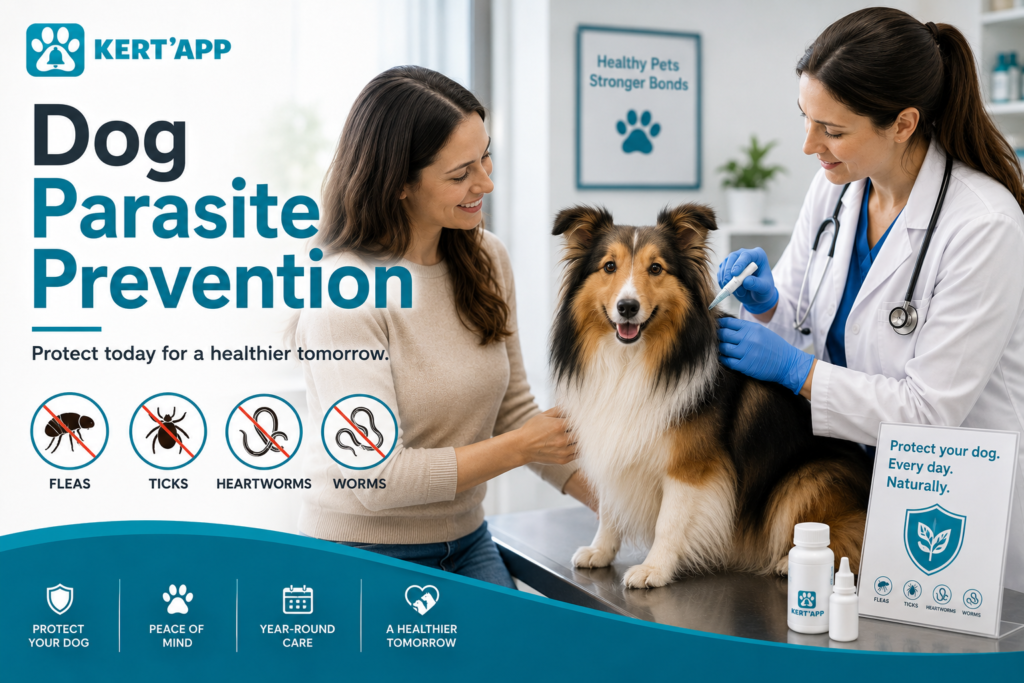
Deworming and Internal Parasites: The Part People Skip
Fleas and heartworms get most of the attention, but internal parasites deserve equal focus. Puppies need deworming at 2, 4, 6, and 8 weeks, then monthly until 6 months old they’re born highly susceptible and can carry multiple parasite types at once. Adult dogs should get a fecal exam annually at minimum, and every six months if they spend a lot of time outdoors, hunt, or swim regularly in natural water.
Not every heartworm preventive covers every intestinal parasite Heartgard Plus, for instance, handles roundworms and hookworms but not tapeworms so it’s worth confirming exactly what your chosen product covers rather than assuming full protection.
Watch for these signs of an internal parasite problem: visible worms or rice-grain segments near the tail, chronic diarrhea or soft stool, unexplained weight loss, a bloated belly (especially in puppies), lethargy, or a dull coat despite decent nutrition. None of these confirm parasites on their own; a fecal exam ($25–$50) is the only reliable way to know.
Reducing Exposure Around the House and Yard
Medication is the foundation, but environment matters too:
Keep grass trimmed short ticks favor longer vegetation and remove standing water where mosquitoes breed.
Wash your dog’s bedding weekly in hot water and vacuum regularly to disrupt the flea life cycle at every stage.
Check your dog’s coat after outdoor time, especially around the ears, between the toes, and in skin folds, where ticks like to hide.
If you find a tick, grasp it close to the skin with fine-tipped tweezers and pull straight out with steady pressure, never twist, and never use heat, petroleum jelly, or nail polish, which can make things worse.
During an active flea infestation, don’t pause prevention, stopping mid-treatment just restarts the cycle. Combining vet-recommended pest control with continued preventive medication usually clears things up within 2–4 weeks.
A Few Things Worth Knowing
Some of these parasites are zoonotic, meaning they can pass to people roundworms and hookworms can cause skin irritation in humans, particularly children, and giardia can spread through poor hand hygiene after handling an infected dog. Keeping your dog protected isn’t just about the dog.
If you’re looking into pet insurance, most claims for parasite-related treatment will ask for exactly the kind of records prevention builds over time medication dates, test results, vet visit history. Knowing what documentation pet insurance actually requires ahead of time saves a scramble later if you ever need to file a claim.
And if someone else is looking after your dog while you travel, make sure prevention doesn’t slip through the cracks. It’s one of the questions worth asking a pet sitter before you hand over the leash.
FAQ
Can my dog get by without heartworm prevention?
Technically some dogs never catch it, but with over a million confirmed cases a year in the US, it’s not a bet worth making against a medication that costs a fraction of treatment.
How often does heartworm prevention need to happen?
Monthly for oral or topical products, or every 6–12 months for the injectable option. Consistency is what makes it work; an occasional dose doesn’t provide reliable protection.
Is garlic safe for preventing worms?
No, the amount needed to have any anti-parasitic effect is toxic to dogs. Skip it entirely.
How do indoor-only dogs get heartworms?
One mosquito getting through an open door or a gap in a screen is all it takes. Indoor status doesn’t remove the risk.
When should puppies start prevention?
Deworming typically starts around 2 weeks old, with heartworm prevention usually beginning at 6–8 weeks check with your vet or breeder for the exact schedule for your puppy.
Building a Plan That Sticks
The single biggest reason prevention fails isn’t the wrong product, it’s missed doses. Set a recurring phone reminder for the same day each month, keep chewables somewhere you’ll see them daily, and reorder before you run out rather than after. Keeping a simple log of medication dates, test results, and vet visits also makes life easier if you ever switch clinics or need records for an insurance claim.
Talk to your vet about what’s most common in your area, what fits your dog’s lifestyle, and whether a combination product makes sense for your household. It’s a short conversation that heads off a much longer and more expensive one down the line.
Tracking medication dates, vet visits, and test results is a lot easier when it’s all in one place instead of scattered across sticky notes and old texts Login to KERT’APP to log your dog’s parasite prevention schedule, vaccines, and vet appointments right from your phone.