
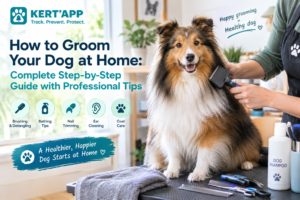
Grooming your dog at home saves money and strengthens your bond, but it requires patience and the right tools. The basic process involves brushing before bathing, bathing with dog-specific shampoo at 85-90°F, thorough drying, nail trimming, ear cleaning, and breed-appropriate fur trimming. Most dogs do best with grooming every 8-12 weeks, though frequency depends on coat type. Home grooming isn’t a replacement for professional care in all situations, but it’s absolutely doable with practice and proper technique.
Why Most Dog Owners Are Missing Out on Home Grooming
You know that sinking feeling when you get the bill from the professional groomer? Forty, fifty, sometimes a hundred dollars or more just to give your dog a bath and trim. It’s worth it for professional results, sure – but here’s the thing: you can handle so much of this yourself at home.
Your dog doesn’t care if a groomer or you are holding the brush. What they care about is the person they trust being there, using a gentle hand, and making it a positive experience. That’s where home grooming becomes more than just cost savings – it becomes quality time.
I get it though. The Internet makes dog grooming look intimidating. All those professional videos with people wielding clippers like surgeons, and your dog just sitting perfectly still for an hour. That’s not reality for most of us. But basic home grooming? That’s absolutely within your reach.
Why Home Dog Grooming Matters More Than You Think
The Real Cost of Professional Grooming
Let’s talk numbers for a second. A professional grooming session typically runs $50-150 depending on your dog’s size and coat type. For a dog that needs grooming every 8-12 weeks, that’s $200-600 a year. Over a dog’s lifetime, we’re talking thousands of dollars.
But the cost isn’t just financial. There’s scheduling hassle, travel time, and honestly – a lot of dogs don’t love being at the groomer. Some develop anxiety about the whole experience.
Health Benefits You Probably Don’t Know About
Regular grooming isn’t vanity work. It’s actual health maintenance. When you brush your dog’s coat regularly, you’re doing early detection work – spotting skin issues before they become infections, catching parasites like fleas or ticks early, and preventing painful mats that can restrict movement.
A matted coat traps moisture against the skin, which creates the perfect environment for yeast infections and bacterial growth. Your dog’s skin needs air circulation, and that only happens with consistent brushing. That’s why dogs with long coats need daily attention, not just the occasional professional session.
Beyond the coat, regular handling builds trust. Your dog gets comfortable with you touching their paws, ears, and face – which means you’ll actually notice when something’s wrong. That earlier detection? That’s priceless for your dog’s wellbeing.
The Bonding Factor (And Yes, It’s Real)
There’s something that happens when you take time to care for your dog’s grooming yourself. You’re not just keeping them clean and healthy – you’re communicating that you pay attention to them. Dogs know the difference between rushed handling and intentional care.
Plus, many dogs relax into home grooming once they know what to expect. Your grooming space, your touch, your voice – these become familiar and safe in a way a groomer’s table might not feel immediately.
Making It Consistent with KERT
Here’s where it gets practical. Most people struggle with grooming consistency because they don’t remember when the last one was. That’s exactly why setting reminders matters.
Using a pet health tracker to manage grooming schedules ensures your dog gets the care they need on a regular basis. When you track grooming in your app, you’re not just noting “did it” – you’re building data on your dog’s coat health, any skin changes, and seasonal patterns. That information becomes gold if you ever do need professional help.
Essential Dog Grooming Tools You’ll Need
Starting with the Basics
You don’t need a grooming salon setup in your garage. Here are the core tools that actually matter:
Brushes and combs: A slicker brush handles general coat maintenance and detangling. A metal comb finds remaining mats and works through stubborn spots. For dogs with undercoat (Labs, Golden Retrievers, German Shepherds), an undercoat rake or FURminator-style tool becomes essential during shedding season.
Dog shampoo: Use actual dog shampoo, not human products. Dogs’ skin pH is different from ours – using human shampoo strips their skin’s natural oils and causes itching and dryness. For most dogs, a good all-purpose dog shampoo works fine. If your dog has skin issues, talk to your vet about medicated options.
Nail clippers: Scissor-style clippers work great for most dogs. Some people prefer guillotine-style, but they’re honestly harder to control – scissor clippers give you more feel for exactly where you’re cutting. Either way, make sure they’re sharp. Dull clippers crush the nail rather than cutting cleanly.
Towels: Use dedicated grooming towels (old ones are perfect). Microfiber towels dry faster than regular ones if you’re investing in anything.
Grooming table or mat: Not mandatory, but your back will thank you. A grooming table doesn’t need to be expensive – even a sturdy outdoor table works. If you’re on a budget, use a rubber mat on your regular table to stop your dog from sliding.
Hair dryer: A regular household blow dryer works, but a pet-specific dryer dries faster and stays cooler. Test temperature with your hand first – you want warm, not hot.
Tools for Different Coat Types
Here’s where it gets specific. A short-coated Lab needs totally different equipment than a Poodle mix.
Short coats (Labs, Boxers, Beagles, Hounds): Focus on the undercoat rake. These dogs blow their coat twice yearly, and you’ll find way more hair under the surface than you see on top. A slicker brush handles the top coat, but that undercoat tool is the MVP.
Long coats (Golden Retrievers, Collies, Maltese): High-velocity dryer changes your life here. These coats tangle easily if wet, so getting them dry quickly prevents mats. A de-shedding tool (like the FURminator) is your friend during heavy shedding.
Curly/wiry coats (Poodles, Doodles, Schnauzers): Clippers become necessary unless you’re committed to daily grooming. If you’re going clipper route, invest in quality ones and get different blade sizes. A 30 blade cuts shorter, a 15 blade leaves more length.
Preparing Your Dog for Home Grooming Success
Starting with the Right Mindset
Your dog reads your energy. If you’re anxious about grooming, they’ll be anxious too. Go in with the attitude that this is normal, routine stuff – because it should be.
Most dogs don’t naturally enjoy grooming at first. That’s not a personality flaw – it’s just unfamiliar. You’re handling them in new ways, there’s water and noise, and they don’t understand why. That changes with consistency and patience.
Building Positive Associations
Start slow. Way slower than you think you need to. Your first home grooming shouldn’t be a marathon session.
Spend a few days just getting your dog used to the grooming space. Let them explore the table, the water, the equipment. Make it a positive experience – treats, praise, zero pressure.
When you actually start grooming, keep that first session to 15-20 minutes max. You’re teaching them that grooming exists and that you’re the safe person running it. You’re not completing a perfect grooming – you’re building trust.
The Physical Setup That Actually Works
Location matters. You want a space that’s:
Safe: No gaps where small dogs can jump. Secure footing (non-slip mat is perfect). Everything you need within arm’s reach.
Comfortable: Good lighting so you can see what you’re doing. Warm room – a wet dog gets cold fast. Access to water without traveling miles.
Practical: A place where water splashing won’t ruin your home. Garage, laundry room, or bathroom works. Outdoors works great in warm weather.
Some people use a bathtub, some use a large sink, some set up a kiddie pool in the yard. There’s no “right” way – whatever keeps your dog secure and you from straining your back.
Temperature and Comfort Matter
Lukewarm water – around 85-90°F – is your sweet spot. Test it with your elbow, just like you would a baby’s bath. Water that’s too hot stresses your dog and makes grooming feel unpleasant. Water that’s too cold, well, who enjoys a cold bath?
A non-slip mat on the bottom of your tub or pool prevents panic-sliding, which is huge for nervous dogs. Slipping makes dogs feel out of control.
The Step-by-Step Dog Grooming Process
Step 1: Pre-Bath Brushing (The Most Important Step Most People Skip)
Here’s where home groomers mess up. They throw their dog in water and then wonder why the coat becomes an impenetrable mat.
Brush thoroughly before any water touches your dog. Get out mats, loose hair, and tangles. If your dog has any matting, that’s when you deal with it – before bathing. Water tightens mats and turns minor tangles into problem areas.
For long-coated dogs, brush section by section. Start at the head and work backward. Use the slicker brush with gentle, short strokes – you’re not trying to rip out hair, you’re gliding through the coat.
If you hit a mat, don’t force it. Work patiently with the comb. If it’s too tight, use small scissors to carefully split the mat and work it apart. As a last resort, you might need to clip it out, but you’re avoiding that if possible.
Once you brush, your dog should be mat-free. Run your comb through – if it glides without catching, you’re ready to wet them.
Step 2: Bathing (The Actual Bath Technique)
Use a handheld showerhead if you have one. Slowly wet your dog’s body, working from the neck backward. Some people do paws and belly first to let them adjust to water temperature.
Avoid spraying water directly on the face. If water gets in the ears, it causes infections – and your dog knows this, so they tense up.
Wet the entire coat thoroughly. Hair needs to be soaked, not just surface wet. This is especially important for double-coated dogs where water needs to penetrate to the undercoat.
Pour or pump shampoo into your palm and dilute it with a little water. This makes it easier to distribute evenly. Work it through the coat with your fingers, massaging the skin underneath – you’re not just coating the hair, you’re reaching the skin.
Let the shampoo sit for a minute or two if the bottle recommends it. This gives it time to break down oils and dirt.
Here’s the crucial part: Rinse thoroughly. Rinse until water runs completely clear. Seriously – rinse more. Residual shampoo causes itching and dry skin, and your dog will tell you about it by scratching for days.
Step 3: Drying (Where Impatience Costs You)
Partially towel-dry first. Get as much water out as possible – wring gently, don’t rough it up.
If you’re using a blow dryer, start on low heat and low speed. High heat damages the coat and burns sensitive skin. Work systematically section by section. Dry in the direction hair grows.
Important: Never aim the dryer at the face, ears, or eyes. Use your hand to shield those sensitive areas, or just dry them by towel.
This is the part that takes time. A full-coat dog on a blow dryer might take 20-30 minutes. Some people use two towels – towel dry, then go to the dryer.
Your dog’s coat needs to be completely dry before you do anything else. Damp hair will mat, and you’ve just undone all that pre-bath work.
Step 4: Post-Dry Brushing
Once your dog is completely dry, brush again. Seriously. This is the final detangle check. Your coat should be smooth, fluffy, and mat-free.
This is also where you discover if you missed any tangles – they’ll show up now. Catch and gently work them out with the comb.
Step 5: Nail Trimming (Where Most People Get Nervous)
Your dog’s nails should trim with a soft click sound, not a crunch. Crunch means you’re cutting into the quick (the nerve and blood vessel inside).
Hold the nail clippers at a 45-degree angle to the nail. Trim from underneath, taking just the curved part that extends past the pad. You’re removing the hooked part that catches on things.
If you’re nervous, trim less rather than more. You can always trim more later. You can’t undo a cut quick.
Most dogs have black or pigmented nails where you can’t see the quick. Here’s the hack: trim small amounts and look at the cross-section. The quick appears as a dark dot in the center. When you see that dot, stop – you’re close to the quick.
Clear nails are easier – you can literally see the quick as a pink line. Stop just before you reach it.
If you do catch the quick and blood appears, don’t panic. Keep a styptic powder on hand – cornstarch works in a pinch, though styptic powder stops bleeding faster. Apply pressure for a minute. It stings for your dog, but it’s not serious.
Trim all four paws and the dewclaws if your dog has them. Some dogs have one or two dewclaws (thumb-like nails) on the front paws.
Step 6: Ear and Eye Care
Ears first. Check inside the ear flap – it should be pale pink, not red. If it’s red or smells funky, your dog likely has an ear infection and needs vet attention. If it looks healthy, use a cotton ball (never a cotton swab pushed deep) to gently wipe out debris.
Some dogs need ear cleaning with a special solution if they’re prone to infections. That’s something you’d discuss with your vet.
For eyes, just use a damp cotton ball to wipe away any crusty bits from the corners. Keep it gentle and away from the actual eyeball.
Step 7: Fur Trimming (The Intimidating Part)
Here’s where it gets breed-specific. Some dogs need scissor trimming, some need clipper work, some barely need any trimming at all.
If you’re using clippers, start with a longer blade (like a 15 or 10) until you’re confident. Longer blades are more forgiving. Always trim in the direction hair grows.
Never shave against the grain. Not only does it look weird and uneven, but it can cause clipper burn – a painful rash on the skin.
For face, paws, and sensitive areas, use scissors. A small dog scissor set is maybe $15. Trim carefully, a little at a time.
The key is: you’re not shaving your dog bald. You’re removing excess length and tidying them up. If it doesn’t look perfect, that’s okay. Your dog doesn’t judge you.
Never trim wet hair. Wait until your dog is completely dry. Dry hair shows you what you’re actually cutting.
Breed-Specific Grooming Tips
Short-Coated Breeds (Labs, Boxers, Beagles, Hounds)
These dogs shed constantly. Your job is managing that shed, not preventing it.
Brush 3-4 times a week minimum, daily during shedding season. An undercoat rake makes a massive difference – you’ll pull out undercoat that a regular brush can’t reach.
Baths every 4-6 weeks. Short coats don’t need frequent washing, but when you do wash, use that undercoat rake in the tub to get out loose fur.
No scissor trimming needed. You’re managing the coat they have, not changing it.
Long-Coated Breeds (Golden Retrievers, Collies, Australian Shepherds)
These dogs need daily brushing. Not weekly, not twice a week – daily.
It sounds like a lot, but 10-15 minutes a day prevents the nightmare of dealing with mats. Once a mat forms, you’re either carefully working it apart (hours of work) or clipping it out (uneven coat).
Baths every 8-12 weeks. Use a high-velocity dryer or high-power dog dryer because water in that coat takes forever to air-dry and staying damp causes mats.
Trim paw pad hair (the fluff between the pads) for cleanliness and traction. Trim the hocks (back of back legs) if they’re getting shaggy.
Curly and Wire-Coated Breeds (Poodles, Goldendoodles, Schnauzers)
Be honest with yourself here. These coats need work.
Brush 3-4 times weekly minimum, more if you’re not planning to clip. Curly coats mat fast – they catch on themselves.
If you’re not doing home grooming regularly, professionally grooming every 6-8 weeks makes sense. This isn’t a failure – it’s understanding your dog’s actual needs.
If you’re doing home care, invest in quality clippers and watch some tutorials. A Poodle clip is actually pretty standardized – whole body one length, pom-poms on the feet and rear.
Doodles are tricky because they can inherit Poodle curls or Retriever waves, and they groom differently based on which coat they got.
Hairless and Minimal-Hair Breeds (Chihuahuas, Xolos, Chinese Crested)
These dogs get dry skin easily. Use moisturizing shampoo and consider leaving conditioner on longer.
Sunscreen is important if they’re going outside – their skin sunburns. Many owners use dog-safe sunscreen or protective clothing.
Regular brushing removes dead skin and distributes natural oils.
Common Dog Grooming Mistakes to Avoid
Mistake 1: Skipping the Pre-Bath Brush
Water tightens mats. Period. If your dog goes in the tub with tangles, you’re creating a grooming nightmare.
Mistake 2: Using Human Products
Your dog’s skin is pH-neutral. Human products are acidic. Using human shampoo breaks down your dog’s skin’s protective barrier and causes itching, dryness, and sometimes infection.
Mistake 3: Incomplete Drying
A damp coat will mat. It will. Even if you did everything perfectly, if your dog is damp when you’re done, that coat will tangle by morning.
Mistake 4: Rushing Nail Trimming
Going too fast leads to cutting the quick. Go slow. Trim a tiny bit, check the cross-section, trim more. It takes longer, but you avoid the injury and your dog stays trusting.
Mistake 5: Ignoring Ear Infections
If your dog’s ears smell yeasty or look red, grooming isn’t the problem – a vet visit is. Keep grooming gentle around infected ears and get them treated.
Keeping your dog’s health records organized helps you track any health issues like recurring ear infections.
Mistake 6: Too Much Trimming (Especially in Summer)
Here’s a myth: shaving your dog in summer helps them cool down. Actually, a dog’s coat regulates temperature in both directions. Shaving can hurt their ability to regulate and expose them to sunburn.
Trim dead/excess fur, sure. But don’t shave them bald thinking it’s helping.
Mistake 7: Grooming When Your Dog Is Sick or Injured
If your dog has a respiratory infection, fever, or injury, skip grooming. Stress can worsen their condition. Wait until they’re fully healthy.
Mistake 8: Getting Frustrated and Making Your Dog Hate Grooming
Your dog feels your energy. If grooming becomes a battle where you’re frustrated and forcing things, you’re building negative associations that last years.
If your dog is really struggling with a specific part (like nail trims), split it up. Do nails one day, bath another day. Make each session positive.
When to Call a Professional Groomer
Let’s be real – home grooming isn’t always the right call.
Get professional help if: Your dog is severely matted or has been neglected grooming-wise. A professional can work through that without hurting your dog. If it’s your first time with a new breed you’re unfamiliar with, a groomer can show you what the breed actually looks like properly groomed. If your dog has medical issues, mobility problems, or severe anxiety about grooming. If you’re prepping for a show or competition.
Honestly, a lot of people find a middle ground – they handle regular maintenance baths and brushing at home, and see a professional every couple of months for a deeper groom and nail trim. That’s totally valid.
The goal isn’t to never use a groomer. The goal is to understand what your dog actually needs and make educated decisions about cost and care.
Building a Grooming Schedule with KERT
Consistency matters more than perfection. A regular schedule – even if it’s not flawless – beats sporadic grooming.
Most dogs need grooming every 8-12 weeks. Short-coated dogs might stretch to 12 weeks. Long-coated dogs might need 8 weeks or even every 6 weeks during heavy shedding.
Seasonal changes matter too. Winter coats are thicker – you might groom every 6-8 weeks during winter, then longer intervals in summer.
Here’s where tracking becomes practical:
[INTERNAL LINK: Use KERT’s grooming tracking feature to set reminders and build consistent care routines for your dog.
When you track grooming with actual dates and notes, patterns become visible. You notice that your dog’s coat looks best 10 days after grooming. You track skin changes – “dandruff decreased after last groom” or “itching returned mid-cycle.” That data becomes gold if you ever need to discuss care with a vet or professional groomer.
Combining grooming tracking with other health metrics like weight and activity actually gives you a complete picture of your dog’s wellbeing. A dog that’s actively exercised, maintained grooming, good weight? That’s a healthy dog.
Key Takeaways
- Home dog grooming saves significant money while building trust and monitoring your dog’s health through consistent handling.
- The process starts with pre-bath brushing to prevent mats – water tightens tangles, so this step is non-negotiable.
- Bathing requires dog-specific shampoo, lukewarm water (85-90°F), and thorough rinsing to prevent skin issues.
- Drying completely – either by towel or blow dryer – prevents mats and ensures your grooming actually lasts.
- Different coat types require different approaches: short coats need undercoat management, long coats need daily brushing, and curly coats may need professional help.
- Nail trimming, ear care, and basic fur tidying round out home maintenance.
- Consistency matters more than perfection – establish a grooming schedule and stick to it.
- Track grooming sessions in your pet health app to build data on what works best for your specific dog.
- Professional grooming still has its place, especially for first-time owners or certain breeds.
Frequently Asked Questions
How often should you groom your dog at home?
Most dogs need grooming every 8-12 weeks. Short-coated breeds might stretch closer to 12 weeks. Double-coated breeds during heavy shedding might need every 6-8 weeks. Curly-coated breeds often need professional grooming at this interval if you’re doing full clips. Between professional visits, most owners do brushing and maintenance at home – short-coated dogs maybe weekly, long-coated dogs several times weekly, curly-coated breeds daily to prevent mats.
Can you groom a dog without clippers?
Absolutely. Scissors work great for tidying up. You might not achieve a professional look, but your dog will be clean, neat, and healthier. Clippers are really only necessary if you’re doing body clips on curly-coated breeds or if you’re dealing with severe matting. For most home grooming, scissors and quality brushes handle everything.
What’s the best time to groom your dog?
After you’ve ensured your dog is calm and you’re not rushed. Morning often works better because your dog isn’t tired yet, and you have good daylight. Avoid grooming right after vigorous exercise when your dog’s heart rate is elevated. Some dogs do better after a short walk when they’ve had energy burned off but aren’t exhausted.
Is it bad to bathe your dog too often?
Most dogs do fine with monthly baths. Bathing more frequently than that can dry out skin, especially if you’re using regular shampoo. Some dogs with skin conditions need medicated shampoo that’s gentler and can be used more often. Unless your dog rolled in something disgusting, weekly or bi-weekly baths are unnecessary. Between baths, dry shampoo or waterless shampoo can freshen them up.
How do you groom a dog with matted fur?
Prevention is way easier than treatment. But if mats already exist, work patiently with a comb and your fingers to gently separate them. Split the mat with small scissors if needed. Never force a mat – you’ll hurt your dog and pull out healthy hair. Severe mats might need professional attention. Once they’re out, commit to regular brushing so you never get here again.
Do you need a grooming table to groom a dog at home?
No. A regular sturdy table with a non-slip mat works fine. A bathtub works for washing. Some people use their laundry room or outdoor area. What matters is stability, safety, and your back not being destroyed. A grooming table is convenient but not required, especially for beginner home groomers.
What’s the easiest dog breed to groom at home?
Short-coated breeds like Labs, Boxers, and Beagles. You’re basically bathing and brushing – no complicated trimming required. Long-coated breeds are manageable if you’re committed to regular brushing. Curly or wiry coats require either serious dedication or accepting that professional grooming is necessary.
Ready to Get Started?
Here’s the honest truth: your first home grooming might not be Instagram-perfect. Your dog might not be thrilled initially. You’ll probably take longer than expected and might make small mistakes.
And that’s completely fine.
What matters is that you’re taking care of your dog, building positive experiences around grooming, and learning what works for your specific pup. Every grooming builds your skill and your dog’s trust.
Start simple. Master the basics – brushing, bathing, drying, nail trimming. Once those feel comfortable, expand into more detailed trimming.
Most importantly, be patient with yourself and your dog. You’re both learning.
Manage Your Grooming Routine with KERT
Grooming consistency matters. That means remembering when the last session was, noting how your dog’s coat responded, and spotting patterns.
Track grooming schedules, coat health changes, and your dog’s overall wellness in one organized place with KERT’s pet health platform.
Set automatic reminders so grooming never slips your mind. Note any changes in coat quality or skin health. Watch how grooming frequency affects your dog’s overall appearance and comfort level.
This data becomes gold when you’re troubleshooting why your dog’s coat isn’t looking great, or if you ever need to discuss grooming with your vet.
Conclusion
Home dog grooming is absolutely achievable, rewarding, and cost-effective. You don’t need professional skills – you just need the right approach, reasonable expectations, and patience with your dog (and yourself).
The process is straightforward once you understand the key steps: prep, bathe, dry, groom. Each step builds on the previous one, and skipping anything (especially pre-bath brushing and complete drying) creates problems you’ll regret.
Your dog doesn’t need a groomer’s hands – they need your hands, your voice, and your calm presence. Start small, be consistent, and watch both your skills and your dog’s trust grow.
The money you save is a nice bonus. The real benefit is the peace of mind that comes from handling your dog’s care yourself, noticing changes early, and building routines that work specifically for your dog’s needs.
Ready to Download KERT?
Managing your dog’s full health picture – from grooming to vaccination to activity tracking – is easier when everything lives in one place.
Download KERT on iOS, Android, or Web and start building your dog’s complete health profile today.